Rio de Janeiro
Brazilian city that was capital of a European colonial power.

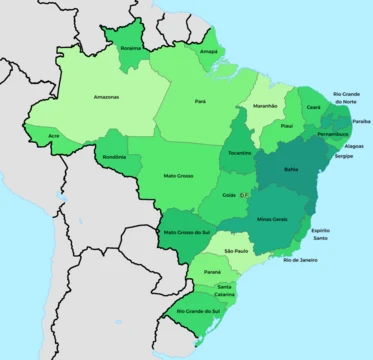
Rio de Janeiro, also known simply as Rio, is the capital and largest city of the state of Rio de Janeiro and the second-largest city in Brazil after São Paulo.
- country
- Brazil
- former_capital_of
- Portugal, Brazil, and the Algarves; Empire of Brazil; republican Brazil
Lore & Background
The region of Rio was originally inhabited by the Tupi, Puri, Botocudo, and Maxakalí peoples. The city was named São Sebastião do Rio de Janeiro in honor of St. Sebastian, patron of King Sebastião. The city was a major center of the slave trade, with the Port of Rio de Janeiro being the largest port of enslaved people in the Americas. After independence, Rio served as capital of the Empire of Brazil and later republican Brazil until 1960, when the capital moved to Brasília.
Reader's Guide
As the capital of Brazil for nearly two centuries, it was the political and economic center of the country, home to major institutions such as the National Library of Brazil and the Botanical Garden. The city's economy is the second-largest municipal GDP in Brazil and 30th-largest in the world, hosting headquarters of major companies like Petrobras, Vale, and Grupo Globo. It is also the second-largest center of research and development in Brazil, accounting for 17 percent of national scientific output. Culturally, Rio is known globally for its Carnival, samba, bossa nova, and iconic landmarks like Christ the Redeemer and Sugarloaf Mountain. Despite perceptions, the city has a lower incidence of crime than most state capitals in Brazil.
Did You Know?
- Rio de Janeiro is the only instance in modern history where the capital of a colonizing country officially shifted to a city in one of its colonies.
More in Brazilian States 1-24
Elsewhere in the Brazilian States universe
Spotted an error? Know more?
This is a living reference — every entry is fact-audited, and reader corrections feed straight into our audit queue. Suggest an edit · See this site's audit record